


The Hidden Truth About the Opioid Crisis: What Personal Stories Reveal That Medical Reports Can't
- Robert Routt

- Feb 15
- 5 min read
Medical reports will tell you how many people died from opioid overdoses last year. They'll break down the statistics by age, race, and geographic location. They'll chart the rise of fentanyl and compare treatment success rates.
What they won't tell you is what it feels like to wake up from a coma not knowing if you'll ever be yourself again.
They won't tell you about the shame. The isolation. The moment you realize your family doesn't trust you anymore: and they're right not to.
I know because I lived it. And that's exactly why I wrote Almost Gone.
The Numbers Don't Scream
Here's the problem with medical data: it's clinical. Detached. A 35-year-old male patient presented with opioid dependency. Withdrawal symptoms documented. Treatment protocol initiated.
Clean. Neat. Forgettable.
But addiction isn't clean or neat. It's brutal and messy and it strips you down to nothing. Medical reports can document my symptoms, but they can't capture what it felt like when my body was shutting down. They can't describe the terror in my family's eyes or the prayers my wife whispered when she thought I couldn't hear.

The statistics matter: don't get me wrong. We need data to track the crisis, to allocate resources, to measure if interventions are working.
But data doesn't change hearts. Stories do.
What Gets Lost in Translation
Medical reports focus on the physical: dosage amounts, withdrawal timelines, organ function. They're designed to be objective.
Personal stories reveal what happens in between those data points. The stuff that determines whether someone lives or dies.
The psychological warfare of withdrawal. Reports list symptoms: nausea, muscle aches, insomnia. They don't tell you that withdrawal has a mental and psychological component so severe that it makes you question if living is worth the pain. I've talked to people who described hallucinations and seizures so intense that doctors warned them not to try detoxing alone: it could kill them.
You don't forget that kind of experience. And you don't just "get over" addiction after experiencing it.
The myth of linear recovery. Medical success metrics focus on time sober or treatment completion rates. As if recovery is a straight line from point A to point B.
It's not.
I thought getting through the initial recovery would fix everything. It didn't. Recovery is a daily fight, and some days you lose ground. I've heard from dozens of people who relapsed multiple times, got kicked out of programs, started over from scratch again and again.
Those "failures" don't show up in the positive outcome statistics. But they're the reality of recovery for most people.

The invisible factors driving addiction. Reports document the presence of opioids in someone's system. They rarely document the isolation, depression, trauma, anxiety, or family dysfunction that made those opioids feel like the only escape.
When I share my story, I talk about what was happening in my life before the pills took over. That context matters. It's the difference between treating symptoms and understanding root causes.
The Stigma That Kills
Here's something that really gets me: the judgment.
People look at someone struggling with addiction and make instant calculations about their worth. Their character. Whether they deserve help.
I remember someone saying about a woman in recovery, "She's on drugs? But she's so pretty!"
As if addiction discriminates. As if it only takes the people society has already written off.
Rich, poor, young, old, educated, homeless: addiction doesn't give a damn about your resume. Medical reports document prevalence across demographics, but they don't capture the shame that keeps people from seeking help. The embarrassment. The fear of being labeled.

That stigma is deadly. It keeps people suffering in silence. It makes families hide the problem instead of addressing it. It makes healthcare providers treat addiction patients differently than other patients: with less empathy, less patience, less care.
I know people who died because they were too ashamed to ask for help. The medical report listed cause of death: opioid overdose. It didn't list cause of death: stigma and silence.
Why Memoirs Matter More Than Ever
When I decided to write Almost Gone, people asked me why. Why expose myself? Why revisit the trauma? Why give people ammunition to judge me?
Because someone needs to.
The opioid crisis isn't going anywhere. In 2026, we're still fighting the same battles we were fighting a decade ago. New drugs, same suffering.
Medical journals can publish their findings in academic language that reaches other academics. Policy makers can draft legislation that sounds good on paper.
But real change? That happens when people understand the human cost. When they see their neighbor, their coworker, their family member in someone else's story.
Personal narratives do what data can't: they create empathy. They break down the walls between "us" and "them." They force people to confront the reality that addiction could happen to anyone: including them or someone they love.
The Stories That Need to Be Told
Here's what I want you to understand: your story matters.
If you've survived addiction, if you've lost someone to overdose, if you've watched the system fail someone you love: your experience contains truth that no medical report can capture.
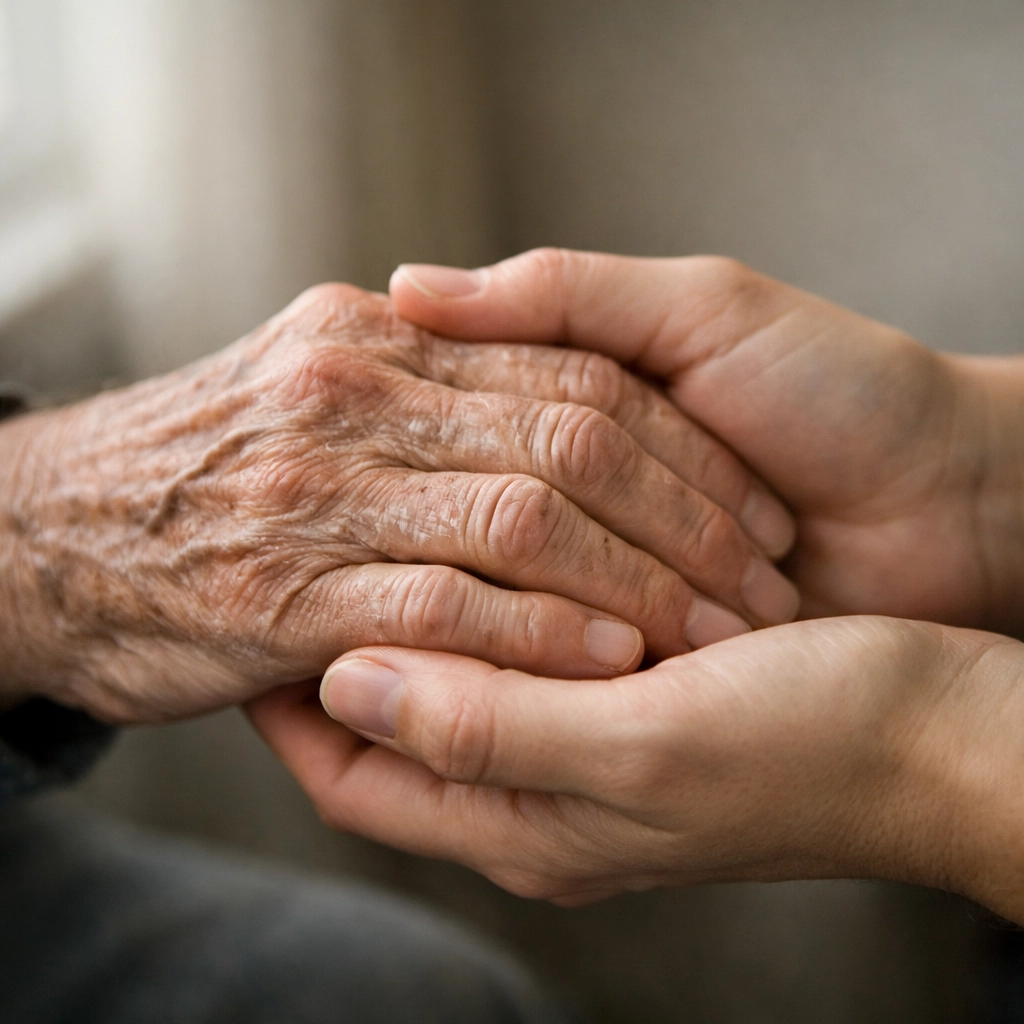
The healthcare provider who showed compassion when you expected judgment? That story needs to be told. It might inspire another provider to treat patients with dignity.
The moment you realized the drug supply had changed and everything became more dangerous? That firsthand knowledge matters. It fills gaps in official data.
The friend who stuck by you when everyone else walked away? That story of loyalty could give someone else hope.
These aren't just personal anecdotes. They're evidence. They're data of a different kind: the kind that reveals system failures, highlights what actually helps people recover, and documents the real-world impact of policy decisions.
What We Do Next
I'm not naive. I know one book, one story, one voice isn't going to end the opioid crisis.
But I also know that silence guarantees nothing changes.
So I wrote Almost Gone. I put my worst moments on paper. I talked about faith and divine intervention and what recovery really looks like. I exposed the pharmacy failures and system gaps that nearly killed me.
Not because I wanted attention. But because staying quiet makes me complicit.
If you've been through the wringer: if you have a story that reveals something true about addiction, recovery, or the failures of our healthcare system: consider sharing it. Write it down. Tell someone. Break the silence.
The medical establishment needs our stories. Policy makers need our stories. Families caught in the crisis need our stories.
Most importantly, the person suffering alone right now, thinking they're the only one who feels this way, thinking there's no way out: they need our stories.
Because data shows them they're a statistic. Stories show them they're not alone.
And sometimes, that difference is everything.


Comments