


Does the Opioid Crisis Still Matter in 2026? What's Changed and What Hasn't
- Robert Routt

- Jan 29
- 4 min read
You don't hear about it as much anymore.
The headlines have moved on. The news cycle found shinier objects. Politicians found new talking points. And somewhere along the way, people started acting like the opioid crisis was yesterday's problem.
It's not.
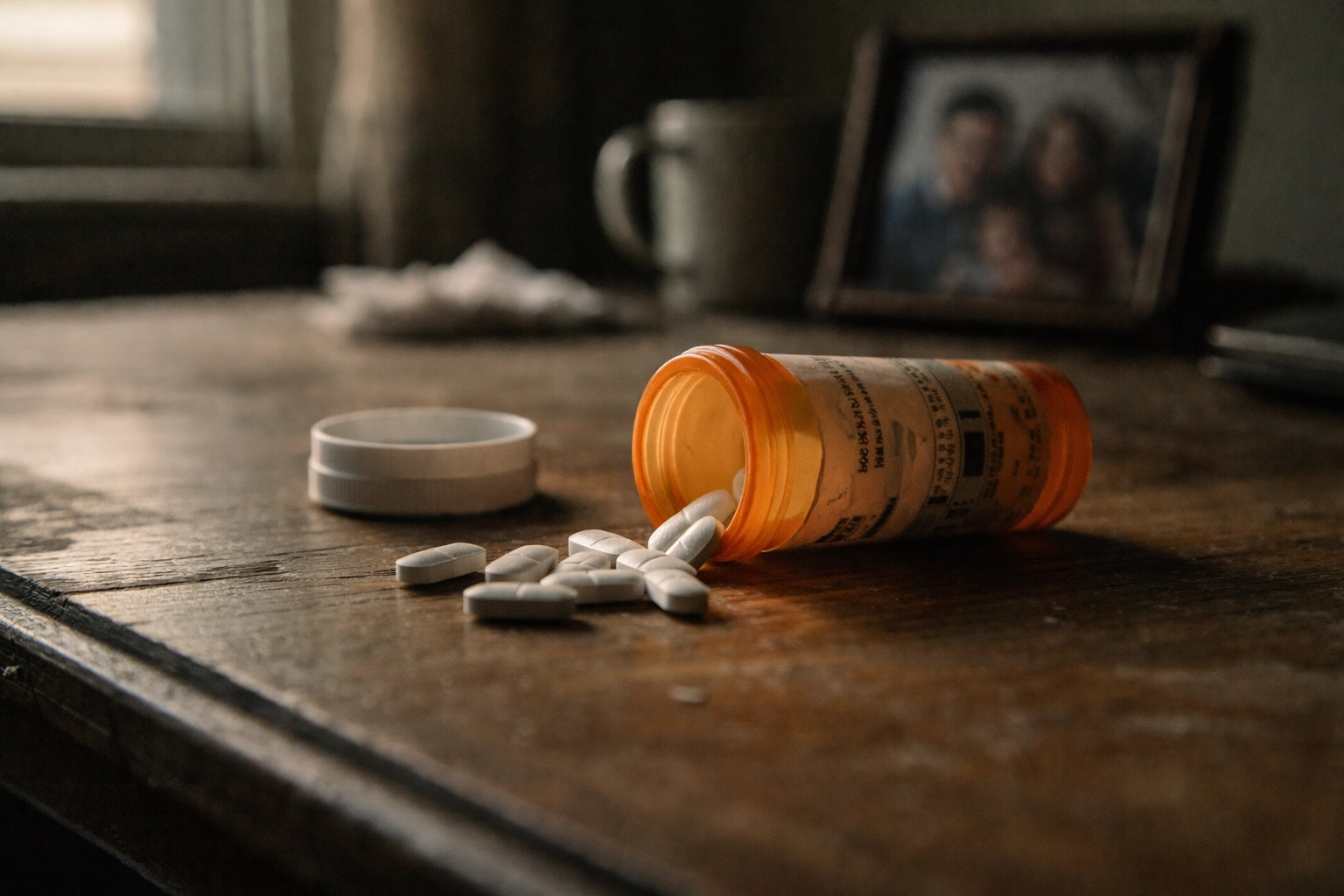
I know because I lived it. I spent 3.5 weeks in a coma because of prescription drugs that should never have been handed to me in the quantities they were. Pill mills. Pharmacies that looked the other way. A system that was supposed to protect me: and didn't.
So when I see the data saying overdose deaths dropped in 2024, I don't feel relief. I feel complicated. Because the numbers don't tell the whole story. They never do.
The Numbers Look Better. But Better Isn't Fixed.
Let's talk about what's changed.
In 2024, overdose deaths dropped to approximately 75,000. That's down from over 110,000 in 2023. First meaningful decrease since they started tracking this stuff in 1999.
That's progress. I won't pretend it's not.
Naloxone is more available. Medication-assisted treatment is expanding. Some of the interventions are finally moving the needle.
But here's the thing: 75,000 people still died. That's 75,000 families destroyed. 75,000 empty chairs at dinner tables. 75,000 people who didn't get another chance.
I almost became one of those statistics.
What Hasn't Changed: The System Is Still Broken
The drugs have evolved. The crisis has shifted. But the fundamental problems? They're still there.
The crisis hasn't ended. It's just changed shape.
My Story: A Medical Malpractice True Story That Almost Killed Me
I've written about this before, and I'll keep writing about it until someone listens.
My addiction didn't start in a back alley. It started in a doctor's office. With prescriptions. With pharmacies that filled them without question. With a pill mill system that was more concerned with profit than with whether I lived or died.
Walgreens filled my prescriptions. Again and again. Red flags everywhere: and nobody stopped it.
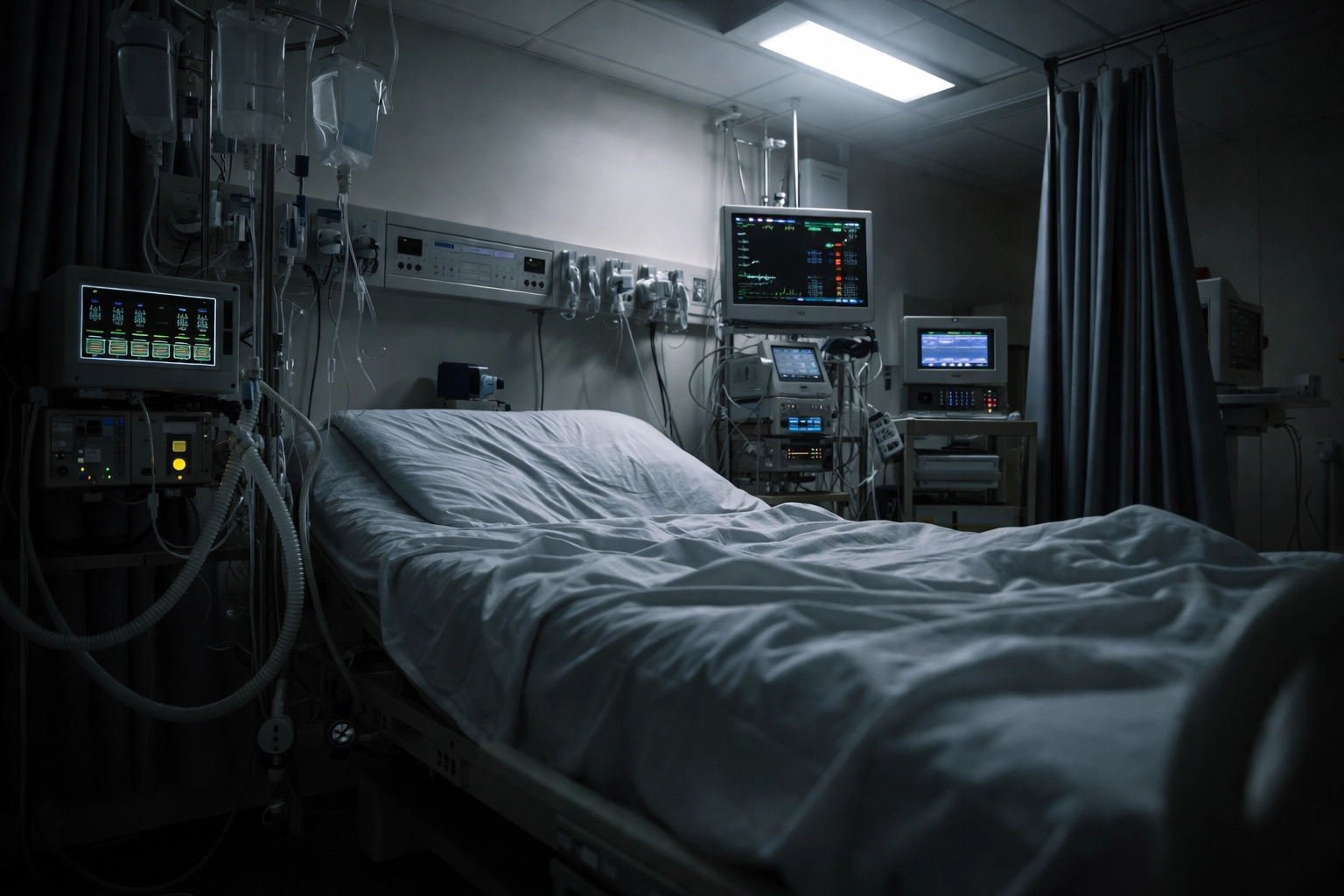
I ended up in a coma for 3.5 weeks.
Let that sink in. Three and a half weeks of my family not knowing if I'd wake up. Three and a half weeks of machines keeping me alive. Three and a half weeks that I'll never get back.
When I did wake up? The work had just begun. Memory gaps. Physical rehabilitation. The shame of facing everyone I'd let down. The brutal reality of rebuilding a life I'd nearly destroyed.
This is what the opioid crisis looks like when it's not just a statistic. This is what happens when pharmacies don't do their due diligence. When doctors overprescribe. When the system fails.
Why This Conversation Still Matters
I get it. Crisis fatigue is real.
We've been hearing about the opioid epidemic for over a decade now. People tune out. They assume it's being handled. They move on.
But here's who can't move on:
The families still watching their loved ones spiral
The parents who check their kids' rooms for pills
The spouses who count prescriptions when their partner isn't looking
The survivors still fighting every single day to stay clean
This conversation matters because people are still dying. Because the system that nearly killed me is still operating. Because somewhere right now, someone is getting a prescription they shouldn't be getting from a pharmacy that isn't asking the right questions.
The headlines might have moved on. The crisis hasn't.
The Difference Between Headlines and Reality
Here's what the news won't tell you about surviving addiction:
Recovery isn't a moment. It's a grind.
You don't just wake up from a coma and get your life back. You wake up broken. Confused. Ashamed. And then you spend months: years: putting the pieces back together. Some pieces don't fit anymore. Some are gone forever.
The medical system doesn't automatically become your ally.
After everything I went through, I still had to navigate a healthcare system that didn't know how to help me. That's the cruel irony. The same system that contributed to my addiction wasn't equipped to help me recover from it.
Families don't just forgive and forget.
Trust is earned back slowly. Painfully. My family didn't owe me another chance. I had to prove: day after day: that I was worth believing in again.
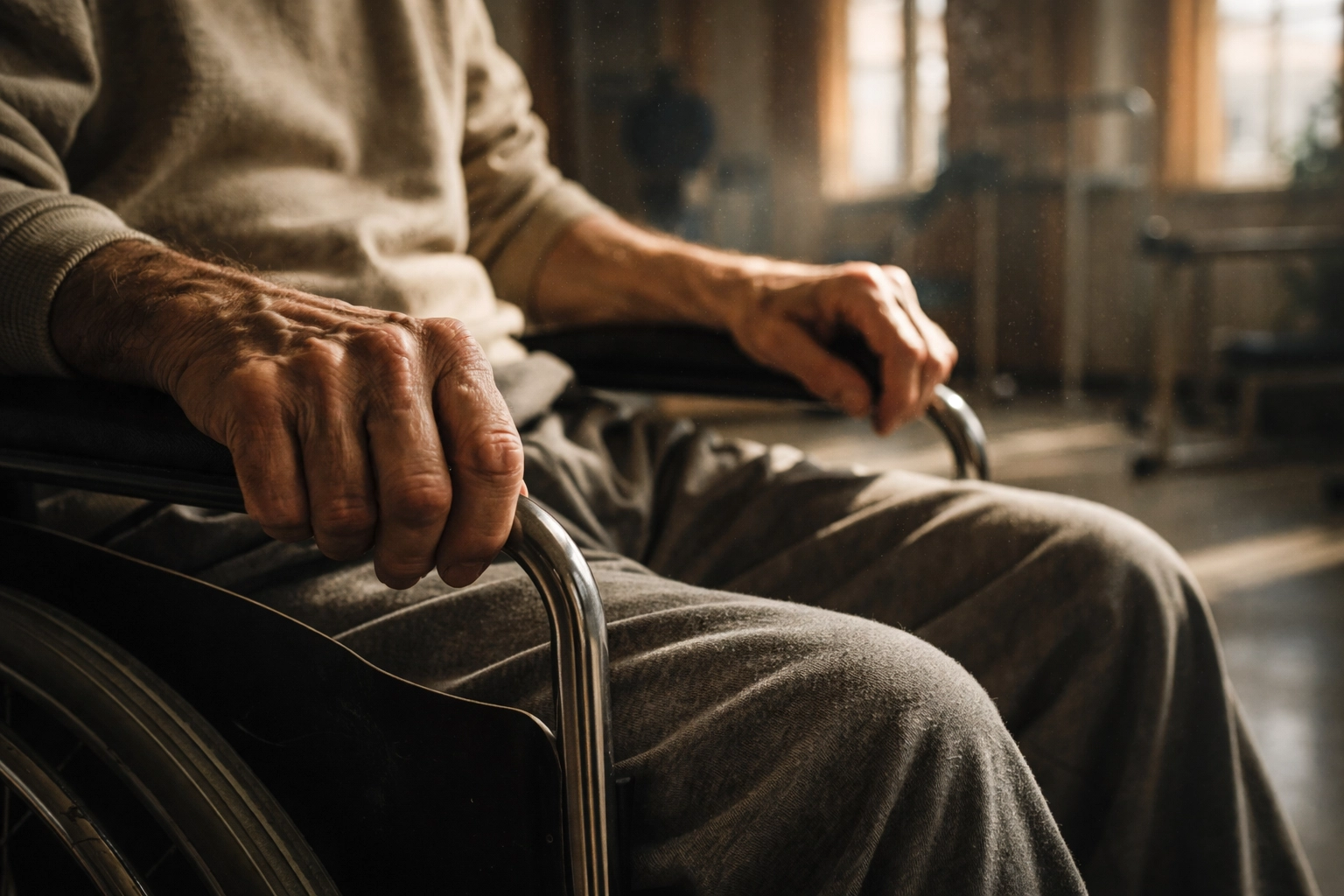
This is the reality of the opioid crisis in 2026. Not just the death toll. The survivors. The families. The long road back.
What I Want You to Know
If you're reading this and you're struggling: I see you.
If you're watching someone you love disappear into addiction: I see you too.
This isn't about weakness. It isn't about willpower. The opioid crisis was built on systemic failures. Pill mills. Pharmacies that prioritized profit. Doctors who prescribed without accountability. A medical system that created addicts and then blamed them for being addicted.
You're not crazy for feeling like the deck is stacked against you. It is.
But you can still fight. You can still survive. I'm living proof.
The Full Story
I wrote Almost Gone: How Walgreens and the Pill Mills Nearly Took My Life because I needed people to understand what really happens when the system fails.
This isn't a sanitized recovery story. It's raw. It's messy. It's the truth about surviving a coma, fighting addiction, and rebuilding when everything has fallen apart.
The book is available now. And if you want to hear it in my voice: the anger, the pain, the hope: the Audible version hits different.
This addiction recovery memoir isn't just my story. It's a surviving a coma book that exposes the medical malpractice true story behind so many opioid deaths. It's a warning. And hopefully, it's a lifeline for someone who needs it.
The Crisis Isn't Over
Does the opioid crisis still matter in 2026?
Yes. Absolutely yes.
The death toll has dropped, but the fight isn't over. The system is still broken. Families are still suffering. And survivors like me are still out here, trying to make sure our stories mean something.
If reading this made you think differently about addiction: good. If it made you check on someone you love: even better.
The conversation continues. And I'm not going anywhere.
Want to learn more about my story and the systemic failures that nearly took my life? Visit the blog or read about reforming healthcare systems.


Comments