


Do You Really Need Faith to Recover From Addiction? One Man's Honest Story of Divine Intervention
- Robert Routt

- Jan 30
- 4 min read
Let me be clear about something right up front.
I'm not here to preach at you. I'm not going to tell you that you have to find God to get clean. That's not my place. Recovery is personal. Brutally personal.
But if you're asking me: someone who spent three and a half weeks in a coma, someone who should be dead right now: whether faith played a role in my survival? The answer isn't complicated.
Faith saved my life.
Not in some abstract, feel-good, bumper-sticker way. I mean literally. I shouldn't have woken up. The doctors didn't expect me to wake up. And when I did, I had to figure out why I was still here when everything: medically, statistically, logically: said I shouldn't be.
The Day I Should Have Died
I don't remember the moment I slipped into the coma. That's the thing about overdose. You don't get a warning bell. You don't get a dramatic movie moment where you say goodbye.
One moment you're there. The next, you're gone.
For 25 days, I was somewhere between alive and dead. My body was breathing: machines made sure of that. But Robert? The guy who had a family, a life, a future? He was checked out.

Here's what I learned later: my family sat by my bed, not knowing if I'd ever open my eyes again. They prayed. They begged. They made deals with God that no parent or spouse should ever have to make.
And somewhere in that darkness: somewhere I can't fully explain or describe: something happened.
I woke up.
Do You Need Faith to Recover? Let's Be Honest
I've talked to a lot of people in recovery. Some of them found God. Some found meditation. Some found therapy and willpower and sheer stubbornness. All of them are valid.
The research backs this up. Studies show that faith-based recovery programs report up to 84% sustained abstinence one year after treatment, compared to around 54% in traditional programs. Nearly 90% of studies indicate that faith reduces the risk of alcohol abuse. But here's the thing: that doesn't mean secular approaches don't work.
They do. For some people.
But for me? I needed something bigger than myself. Because here's what addiction does: it makes you the center of your own universe. Everything revolves around the next pill, the next high, the next lie you tell yourself to justify it all.
I was broken. Completely.
And broken people can't fix themselves with the same brain that got them broken in the first place.
What Divine Intervention Actually Looked Like
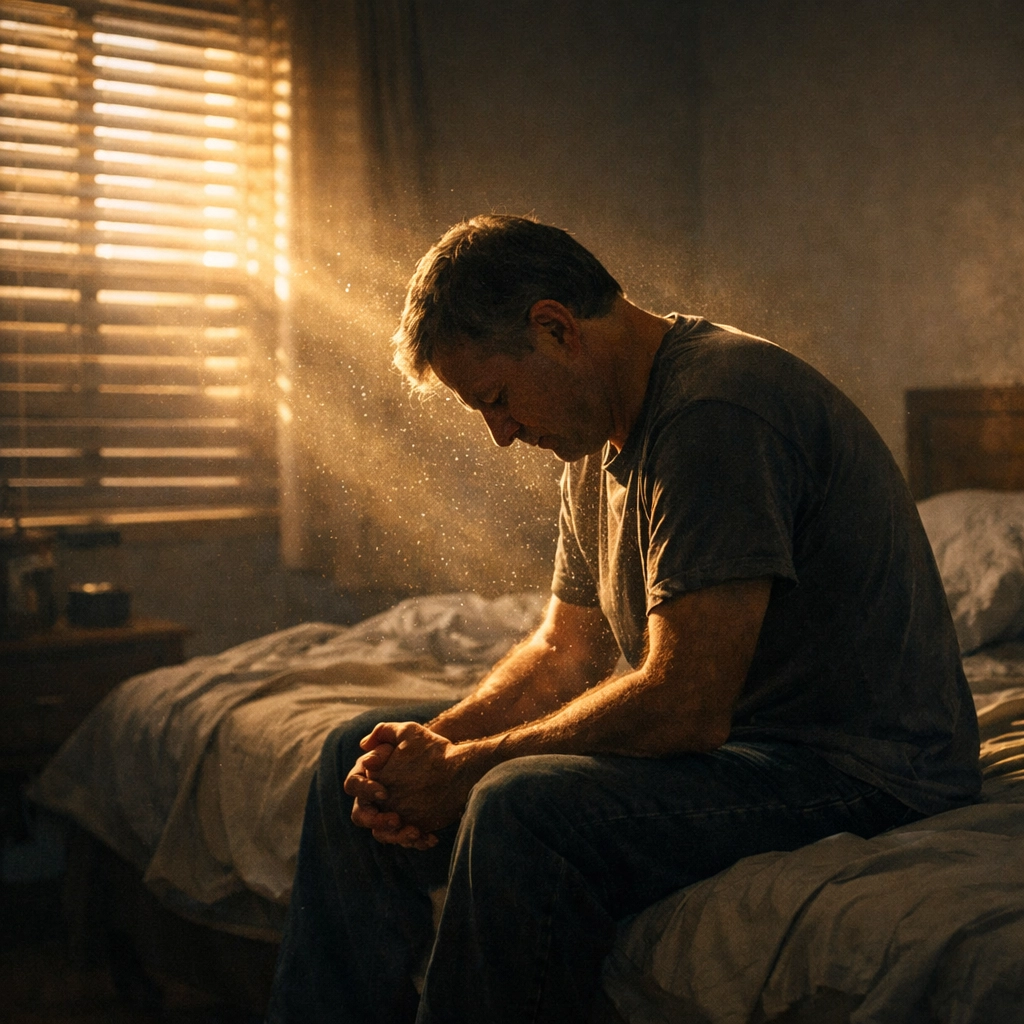
I'm not talking about angels with wings and harps. I'm talking about something quieter. Something I didn't even recognize at first.
Divine intervention, for me, looked like:
The Problem With "Finding God" in Recovery Circles
Let me be real about something that frustrates me.
A lot of recovery programs throw around "Higher Power" like it's a magic password. Say the words, and you're in. But that's not how faith works. You can't fake it. You can't check a box and expect the universe to hand you sobriety on a silver platter.
Faith isn't a transaction. It's a relationship.
And relationships take work. They take honesty. They take showing up even when you don't feel like it: especially when you don't feel like it.
For me, faith meant sitting in the uncomfortable silence after the coma and asking hard questions. Questions like:
Why am I still here?
What am I supposed to do with this second chance?
How do I face the people I hurt?
I didn't get answers right away. Some days, I'm still waiting. But the act of asking: the act of believing there's something worth asking: that changed everything.
What If You're Not Religious?
I get it. Not everyone believes in God. Not everyone grew up in church or finds comfort in scripture.
That's okay.
Here's what I'd say to you: faith doesn't have to look like mine. But recovery almost always requires believing in something beyond your own willpower. Because willpower is a limited resource. It runs out. Trust me: I tested its limits and ended up in a coma.
What can you put your faith in?
My Faith Didn't Make Recovery Easy
I need you to understand this.
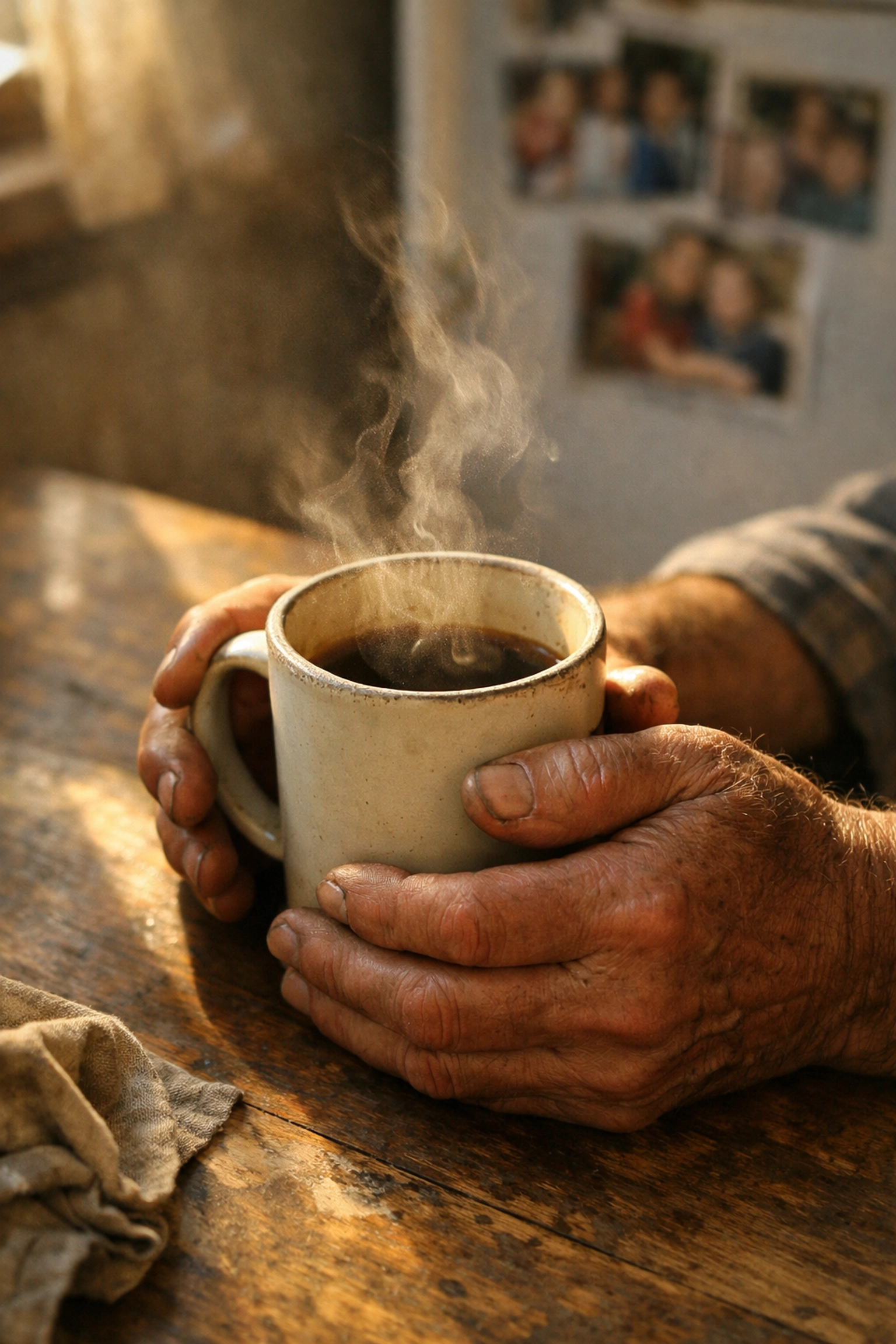
Waking up from that coma wasn't the end. It was the beginning of the hardest work I've ever done. Faith didn't erase the withdrawal. It didn't fix my relationships overnight. It didn't magically restore my memory or take away the shame.
Pain replaced comfort. Doubt replaced confidence.
There were days I questioned everything. Days I was angry at God for letting me survive when surviving felt impossible. Days I wanted to give up.
But faith gave me a reason to keep going. Not a guarantee: a reason.
That's the difference.
Why I'm Telling You This
I wrote my book, Almost Gone, because I couldn't stay silent anymore. Too many people are where I was. Trusting doctors. Trusting pharmacies. Trusting a system that's broken at every level.
And too many people are dying because nobody told them there's another way.
If you're struggling right now: with addiction, with doubt, with the feeling that you're too far gone: I need you to hear me.
You're not too far gone.
I was unconscious for 25 days. I was a statistic waiting to happen. And I'm still here, typing these words, because something bigger than me decided I wasn't finished yet.
Maybe that something is waiting for you too.
If you want the full, unfiltered story of how I ended up in that coma and what happened after, it's all in Almost Gone. The Audible version hits different: you can hear it in my voice.
And if you're supporting someone through addiction, I wrote about that too. Check out The Family Member's Guide to Supporting a Loved One Through Addiction.
You're not alone in this. Neither was I. That's the whole point.


Comments