


The Family Member's Guide to Supporting a Loved One Through Addiction
- Robert Routt

- Jan 16
- 5 min read
Updated: Jan 19
Let me be real with you.
If you're reading this, you're probably exhausted. Scared. Maybe angry. You've watched someone you love disappear into something you can't control, and it's eating you alive.
I get it. I've been on the other side of that equation. I've seen what addiction does to families. The sleepless nights. The phone calls you dread. The hope that rises and crashes over and over again.
This isn't going to be some sanitized, feel-good guide. That's not how I operate. What I'm going to give you is the raw truth, practical advice that actually works, paired with the kind of honesty that might sting but will ultimately help.
Because your loved one needs you. And you need to survive this too.
The Hard Truth Nobody Wants to Tell You
Addiction isn't a choice. Not really. Not the way most people think.
It's a disease that hijacks the brain. It rewires everything, priorities, relationships, the ability to see reality clearly. Your loved one isn't choosing substances over you. Their brain has been chemically altered to believe they need it to survive.
Does that make it easier to watch? No. Does it excuse the lies, the broken promises, the chaos? Absolutely not.
But understanding this changes how you approach the situation. You stop taking it personally, at least a little. You start seeing the disease as the enemy, not the person you love.
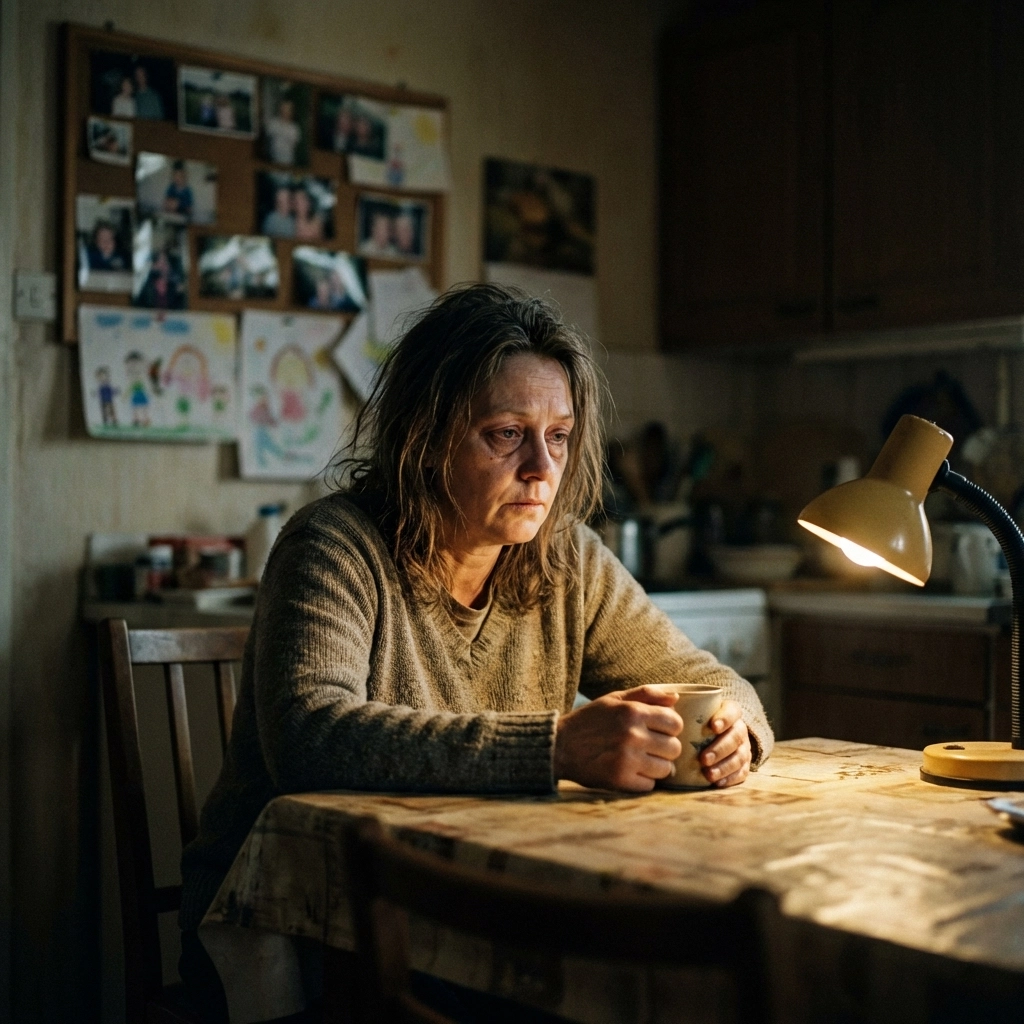
Here's what else nobody tells you: you can't save them. You can support them. You can create conditions that make recovery more likely. But the decision to get sober? That has to come from them.
I know that's brutal to hear. But it's the truth.
What Actually Helps (And What Doesn't)
Let's talk about what you can do. Because you're not powerless here, you just need to focus your energy in the right places.
Show up with love, not lectures. Your loved one already knows they're struggling. They don't need another speech about how they're ruining their life. What they need is to know you're still in their corner. That doesn't mean approving of their behavior. It means separating the person from the addiction.
Create space for honest conversation. When they're ready to talk, really talk, be there. Listen without judgment. Don't interrupt with solutions or "I told you so." Just let them speak. That kind of emotional safety is rare and powerful.
Learn everything you can. Education is your weapon. Understanding how addiction works, what recovery looks like, what triggers relapse, this knowledge helps you make better decisions about when to push and when to step back.
Research shows that family involvement in treatment increases the likelihood that your loved one will stay in treatment and maintain those gains afterward. You matter more than you know.
Boundaries: The Hardest Part
Here's where it gets uncomfortable.
Supporting someone doesn't mean enabling them. And the line between those two things? It's razor-thin.
Enabling looks like:
Giving money that might go toward substances
Making excuses for their behavior to others
Cleaning up their messes, legal, financial, emotional
Avoiding consequences that might actually wake them up
I'm not saying you should be cruel. But loving someone through addiction sometimes means letting them feel the weight of their choices. It means saying no when every fiber of your being wants to say yes.
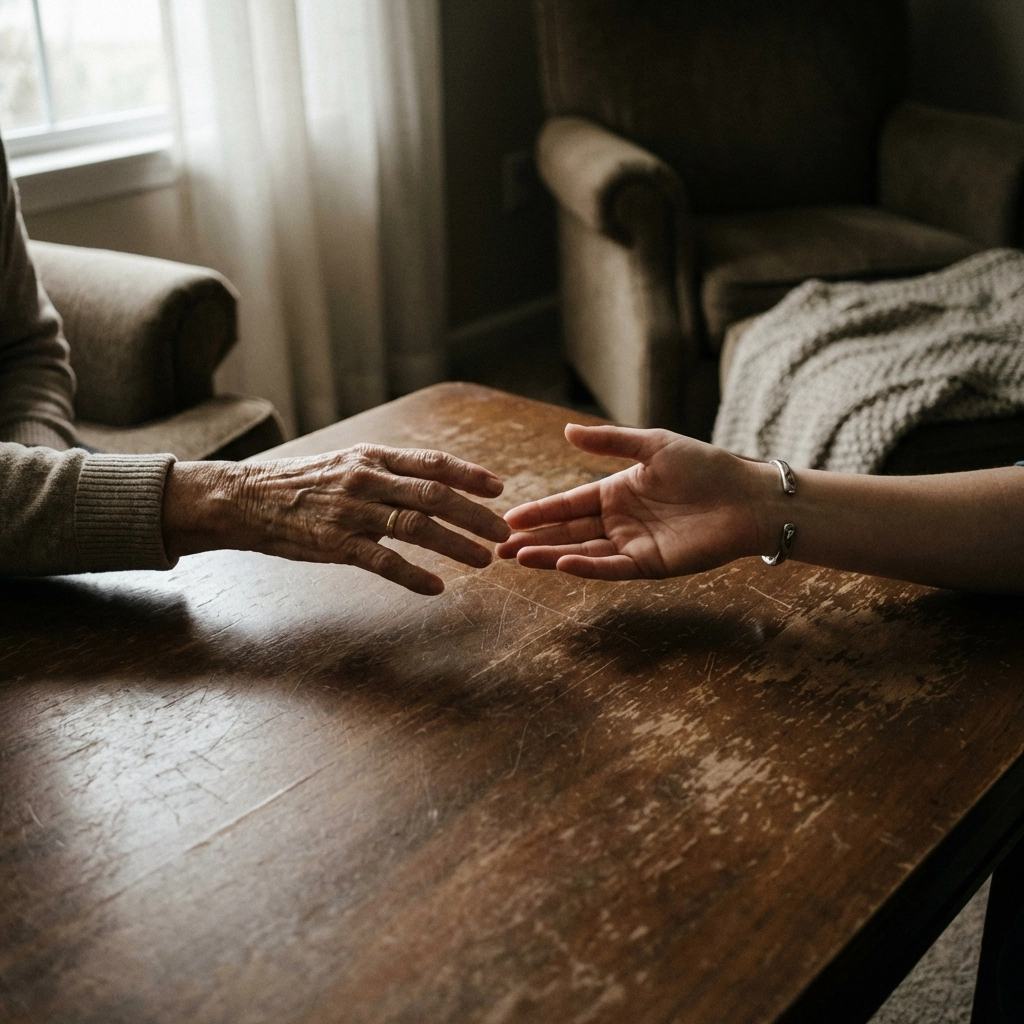
Set boundaries. Clear ones. Examples:
No substances in your home. Period.
No lending money without accountability.
No covering for them when they miss work or family events.
No tolerating abusive behavior, even if addiction is the cause.
And here's the key: you have to follow through. A boundary without consequences isn't a boundary. It's a suggestion.
This isn't about punishment. It's about creating an environment where recovery becomes more attractive than staying stuck. It's about protecting yourself and the rest of your family from the chaos.
You Can't Pour From an Empty Cup
I've seen families destroy themselves trying to save someone from addiction. They pour everything into their loved one: time, money, emotional energy: until there's nothing left.
Don't do that.
You matter too. Your mental health matters. Your other relationships matter. Your life matters.
Get help for yourself. Seriously. Here are some options:
Al-Anon/Nar-Anon – 12-step groups where family members share stories and find strength in community
SMART Recovery Family & Friends – A science-based approach using cognitive behavioral tools
Parents of Addicted Loved Ones (PAL) – Specifically for parents navigating their child's addiction
Families Anonymous – A 12-step program focused on collaboration and coping strategies
There's also something called CRAFT: Community Reinforcement Approach and Family Training. Research shows it's twice as effective as traditional interventions at getting loved ones into treatment. A therapist works with you to practice self-care, create an environment that promotes sobriety, and prepare a treatment plan for when your loved one is ready.
You're not weak for needing support. You're smart.
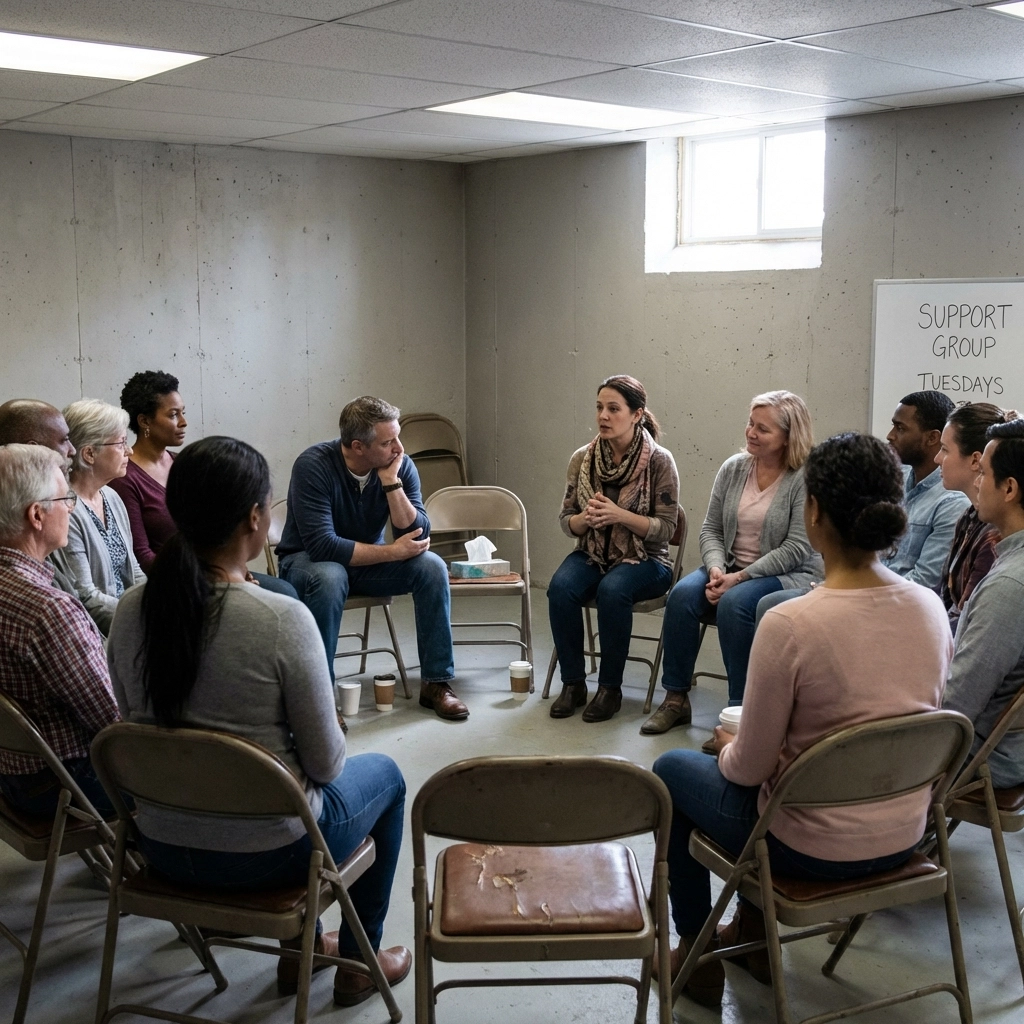
The Long Road Ahead
I'm not going to lie to you. Recovery takes time. A lot of it.
There will be setbacks. There will be relapses. There will be moments when you want to give up: on them, on yourself, on everything.
Don't expect overnight miracles. Work with your therapist or support group to set realistic goals. Celebrate small victories. A week of sobriety matters. A honest conversation matters. Progress isn't always dramatic.
If you're considering an intervention, do it carefully. A poorly planned intervention can backfire: hard. Your loved one might feel attacked, get defensive, and become more resistant to treatment. Get professional guidance before you go down that road.
And if you need immediate help? SAMHSA's National Helpline (1-800-662-4357) is free, confidential, and available 24/7. Use it.
Faith, Resilience, and the Fight That's Worth It
I wrote Almost Gone because I wanted people to understand what survival really looks like. It's ugly. It's painful. It's crawling through darkness when you can't see the light.
But it's also redemption. It's finding your way back when everyone: including yourself: has written you off.
Your loved one can get there. I believe that with everything I have.
And you? You can survive this too. You can support them without losing yourself. You can set boundaries and still love fiercely. You can hold onto hope even when it feels impossible.
This journey isn't about perfection. It's about showing up, day after day, doing the best you can with what you have.
That's what family does. That's what love looks like in the middle of the wringer.
If you want to understand more about my own story: why I finally decided to tell it, what I learned about survival and faith: I'd be honored to share it with you.
You're not alone in this fight. Neither is your loved one.
Keep going.


Comments